Layer 02 · Encyclopedic Guide

The Codex of Performance & Suppression

A working encyclopedia of Mesoamerican ritual performance — its forms, its colonial unmaking, and the traditions that outran the fire.

Entry 01

Ritual Performance

Across Mesoamerica, performance was not entertainment. Songs, masked dances, and recitations were sacred technology — the means by which communities aligned themselves with the calendar, the maize, and the dead.

Languages
Nahuatl, Yucatec & K'iche' Maya, Mixtec, Zapotec
Forms
Areíto · Mitote · Netotiliztli · Tocotín
Sites
Temple courtyards, plazas, marketplaces
Entry 02

The Codices

Painted on amate bark paper or deer hide and folded screen-fold style, codices functioned as scripts for embodied ritual. They were memory devices for trained performers, not silent books.

Pre-Conquest survivors
~16 codices of thousands
Key works
Borgia, Borbonicus, Mendoza, Dresden
Materials
Amate bark, cochineal red, indigo, soot black
Entry 03

Ceremonies

The Mexica ceremonial year (Xiuhpohualli) was organized into eighteen twenty-day months, each anchored by a public festival of music, dance, and theatre. The Maya Wayeb' rites and the Toxcatl festival are among the most documented.

Toxcatl
Festival of the impersonator of Tezcatlipoca
Atemoztli
Descent of the rain gods — drum & flute
Wayeb'
Five unlucky days closing the Haab' calendar
Entry 04

Colonization (1519–1600)

After 1521, Spanish friars catalogued Indigenous performance even as the Crown and the Holy Office criminalized it. Theatre became a contested colonial instrument — both a tool of evangelization and a hiding place for survival.

1521
Fall of Tenochtitlan
1539
First Mexican Inquisition trials of Indigenous nobility
1562
Bishop Diego de Landa burns Maya codices at Maní
Entry 05

Cultural Suppression

Suppression was not a single act of fire. It was a long architecture of edicts, parish discipline, language replacement, and the rewriting of festival calendars onto saints’ days.

Method
Edict, confiscation, parish surveillance
Targets
Masks, drums, codices, song texts, ritual specialists
Effect
Erasure of ~95% of pre-contact performance repertoire
Entry 06

Surviving Theatrical Traditions

What the church could not extinguish, it absorbed. The Voladores of Papantla, the Rabinal Achí, the Danza de los Concheros, and the Tecuanes masked dances all carry pre-contact movement vocabularies inside Catholic frames.

Rabinal Achí
K'iche' Maya dance-drama, UNESCO 2005
Voladores
Totonac ritual flight, UNESCO 2009
Concheros
Mexica-derived urban devotional dance
Map · Mesoamerica

A Geography of Performance

Performance traditions across the cultural region known as Mesoamerica, from the Olmec heartland to the Maya lowlands.

TenochtitlanTeotihuacanCholulaMonte AlbánMitlaPalenqueChichén ItzáTikalRabinalPapantlaLa Venta
Mexica / AztecMayaMixtec & ZapotecTotonacOlmec heartland
Timeline · Rupture

Three Millennia, One Fire

A vertical line through the history of performance in Mesoamerica. The year 1521 is marked because it changed everything that came after.

  1. c. 1200 BCE

    Olmec ritual centers; earliest evidence of masked performance.

  2. c. 250 CE

    Classic Maya court theatre; carved stelae record performance regalia.

  3. 1325

    Founding of Tenochtitlan; Mexica state ceremonial cycle codified.

  4. 1519

    Cortés arrives at Veracruz.

  5. 1521

    Fall of Tenochtitlan. The rupture.

  6. 1539

    Don Carlos Ometochtzin tried and executed for ‘idolatry.’

  7. 1562

    Auto-da-fé of Maní: Bishop de Landa burns Maya codices.

  8. 1629

    Ruiz de Alarcón documents — and condemns — surviving Nahua incantations.

  9. 1810

    Mexican independence; Indigenous festivals re-enter public life.

  10. 2005

    Rabinal Achí inscribed by UNESCO as intangible heritage.

  11. Today

    Voladores, Concheros, and Tecuanes dances continue.

Catalog · Surviving Artifacts

What the Fire Spared

Four artifacts of Mesoamerican performance held today in museums and archives across three continents.

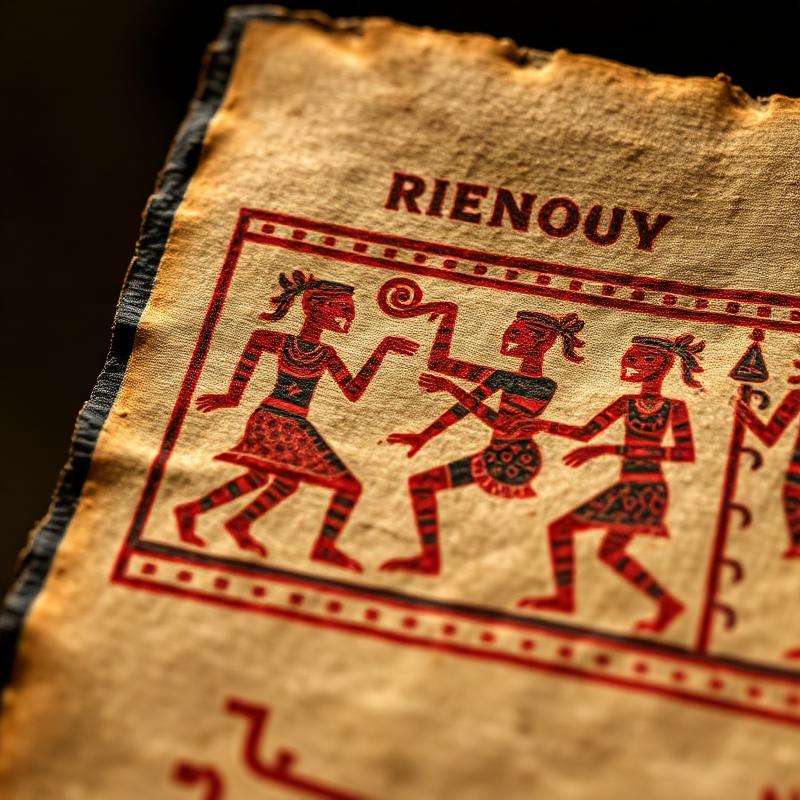
Codex Borbonicus, fol. 23
INV-104

Codex Borbonicus, fol. 23

Amate bark paper. Ritual calendar with painted dancers. Held: Bibliothèque de l'Assemblée Nationale.

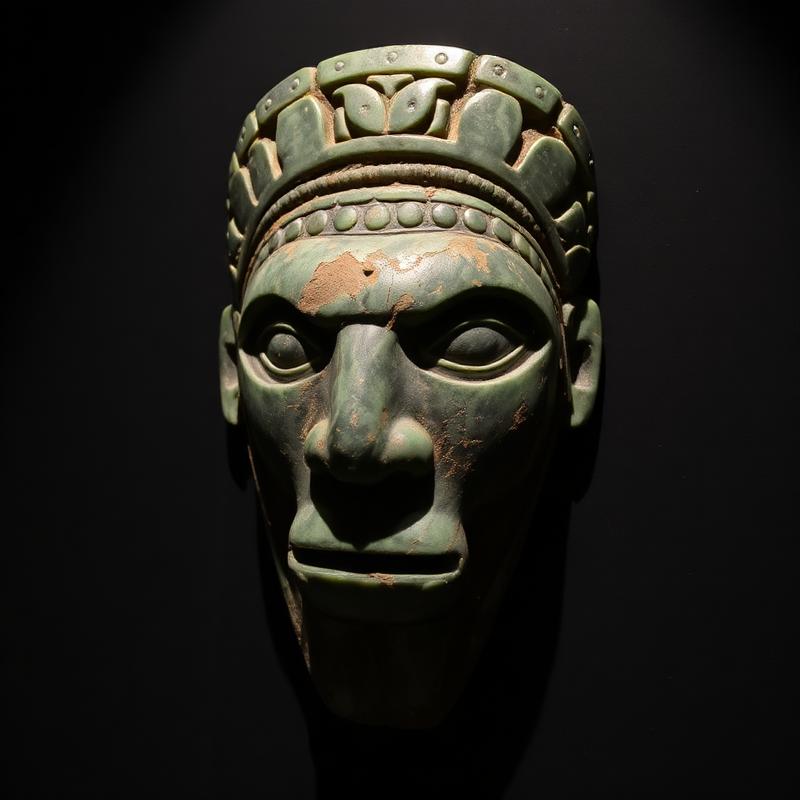
Jade ceremonial mask
INV-492

Jade ceremonial mask

Olmec-Maya transition. Worn by ritual specialists to embody ancestral forces.

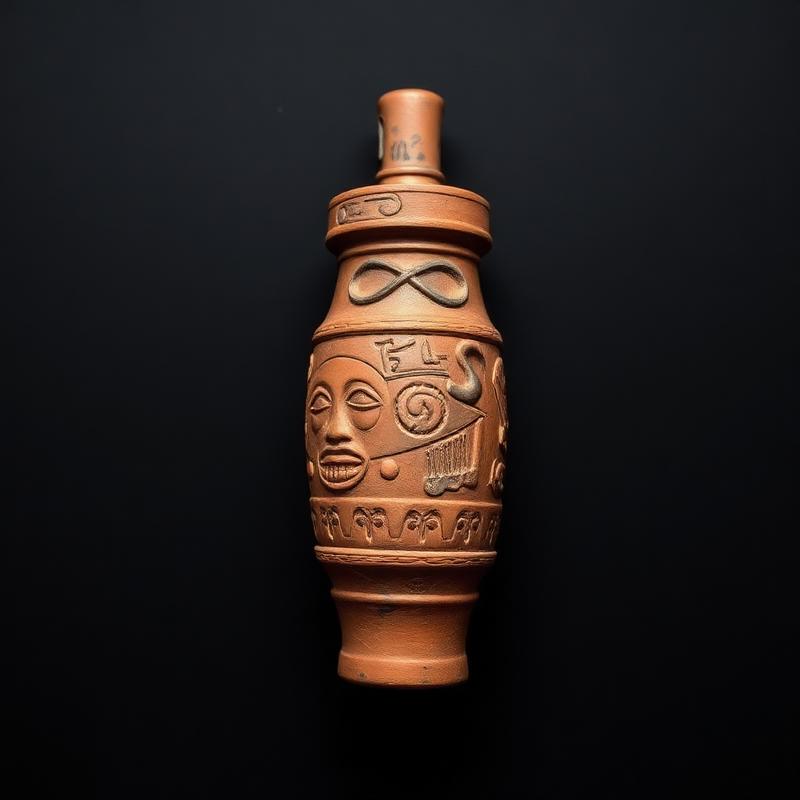
Terracotta death whistle
INV-811

Terracotta death whistle

Recovered from offerings at the Templo Mayor. Produces a screaming sound used in war and funerary rites.

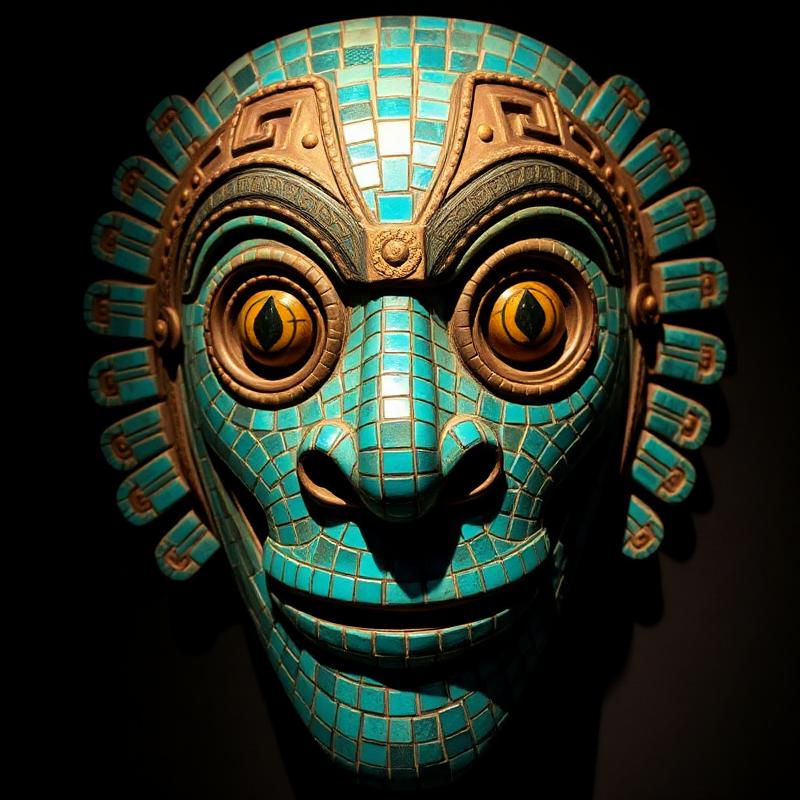
Turquoise mosaic mask of Tezcatlipoca
INV-229

Turquoise mosaic mask of Tezcatlipoca

Used in the Toxcatl festival to clothe the impersonator of the smoking-mirror god.